
Filter cloths can be the most costly line item in filter plant OPEX. This article, from app sponsors Diemme Filtration discusses this issue, highlighting the capabilities of Optycare, launched earlier this year and already operating on filtration plants. Contact them to learn more.
Redefining Cloth Maintenance: Diemme Filtration’s Move Toward Full Automation
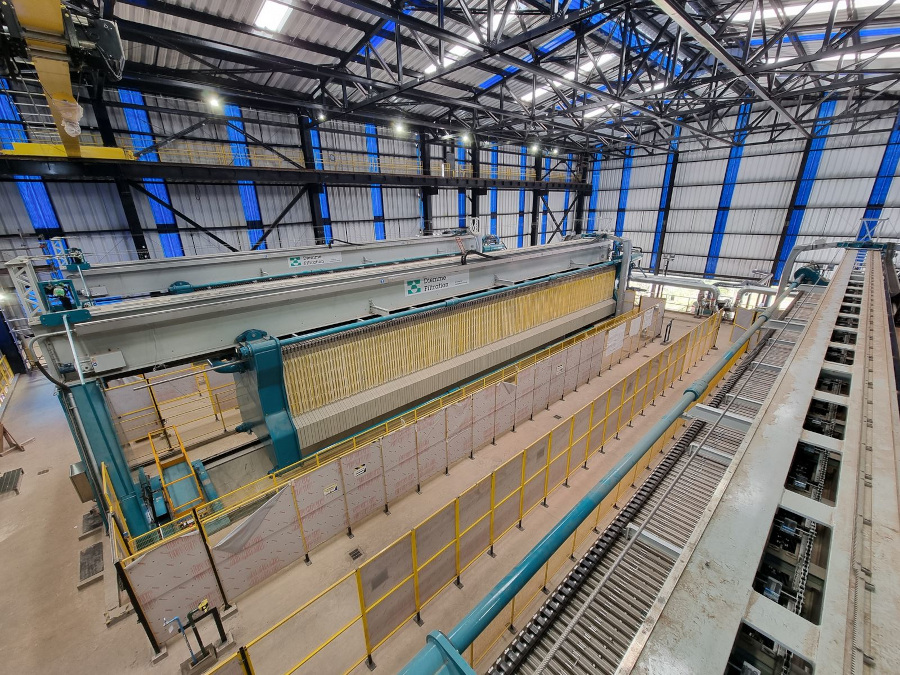 The evolution of high-capacity, fully automated filter presses has played a key role in advancing industrial dewatering technologies. Thanks to ongoing investment in R&D by sector companies, today’s filter presses have reached impressive levels of performance: machines mounting plates up to five meters in size, equipped with intelligent systems for process monitoring and optimization, and requiring minimal manual intervention.
However, despite these gains several challenges remain, particularly when it comes to consumable components. First and foremost is the filtration medium itself: the filter cloth.
Because of their essential role in the filtration process, cloths are also among the most vulnerable components. They are subject to wear and mechanical damage from abrasive slurries pumped at high-pressure. While cloth design, cleaning methods, and operating strategies have all improved, cloth maintenance practices have lagged behind. In most plants, replacement strategies remain either reactive (i.e. replacing only after failure) or rigidly preventive (leading to unnecessary cost and downtime).
Manual inspections, when performed, are labor-intensive and often unreliable. Indirect indicators such as filtrate turbidity or cake quality typically identify issues only after they’ve already impacted performance.
To close this gap, Diemme Filtration has developed Optycare: an AI-powered, real-time inspection system that brings precision, automation, and predictability to cloth management. Early detection of potentially critical damages has been achieved.
From Routine to Intelligent Cloth Management
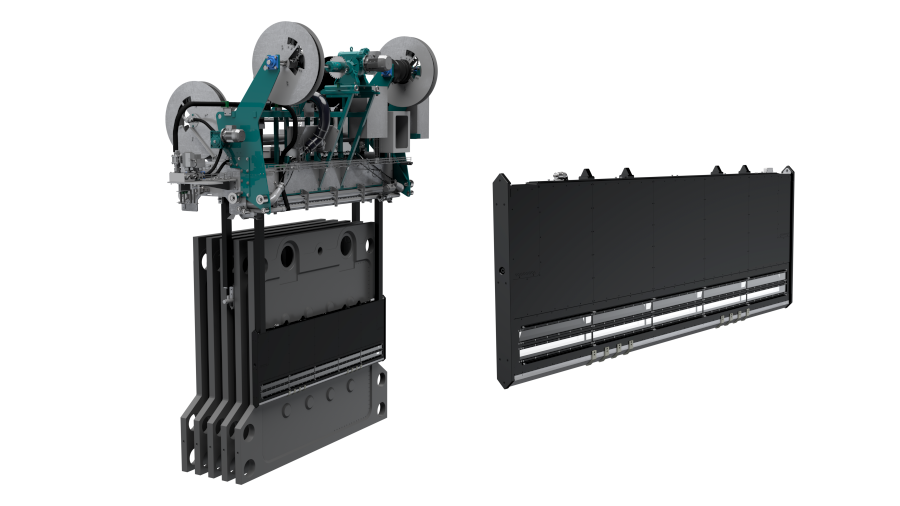 Optycare, designed to be compatible with all the newest filter press models from Diemme Filtration, is fully integrated into the robot for high-pressure cloth washing. During each wash cycle, it inspects both sides of every filter cloth using a high-resolution imaging system and structured lighting. The system detects even subtle surface anomalies such as small tears and abrasion marks, with an effective resolution of 5 pixels/mm, and an accuracy reaching total recall (100% of defects detected) with virtually no false positive detections.
The technology is driven by a machine learning–based anomaly detection algorithm that doesn’t rely on pre-defined defect datasets. Instead, it learns from normal operating conditions and flags deviations in real time, without requiring additional cycle time or operator input.
The output is a precise, cloth-specific diagnostic dataset: anomaly maps, inspection histories, and trend reports, all accessible via a remote interface. This gives operators full visibility into cloth condition at a very early stage, and enables proactive, data-informed maintenance decisions.
Closing the Loop: Toward Autonomous Replacement
Inspection is only the beginning. Diemme is now completing the design of a robotic system that will automatically replace individual cloths based on Optycare’s findings. Designed to serve multiple presses, the system will allow cloth maintenance to move from manual intervention to fully autonomous execution.
Both Optycare and the upcoming robotic replacement unit are integrated within AIDA, Diemme’s digital platform for process monitoring and optimization. AIDA centralizes process-data collection and analysis, enabling real-time machine diagnostics, predictive maintenance, and cross-system coordination, providing the digital infrastructure needed for fully automated filter press operation.
A Smarter Approach to Performance and Sustainability
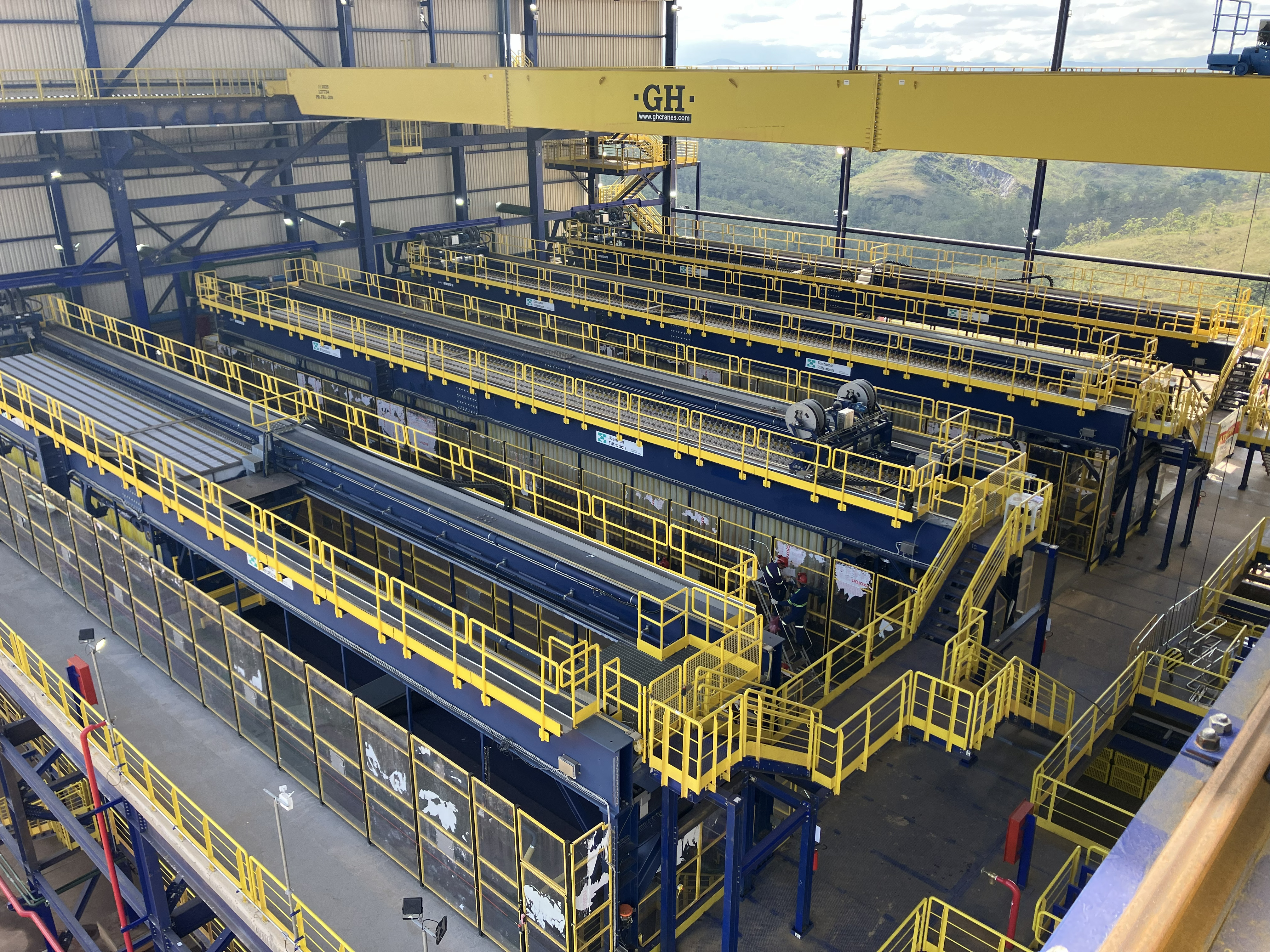
The first full-scale pilot installation of Optycare started in the USA in summer 2026 on a GHT2500F filter press, marking the first real-world application of fully integrated, AI-based cloth inspection in pressure filtration.
Three additional GHT2500F34 units equipped with Optycare are planned to be commissioned in Indonesia in the coming months.
By combining intelligent monitoring with automated intervention, Diemme is redefining cloth maintenance, shifting the industry from reactive practices to predictive strategies that reduce downtime, cut costs, and extend cloth life. The result is not only higher performance, but a more sustainable and reliable filtration process.